
Growing Life, Restoring Balance, Cultivating the Future
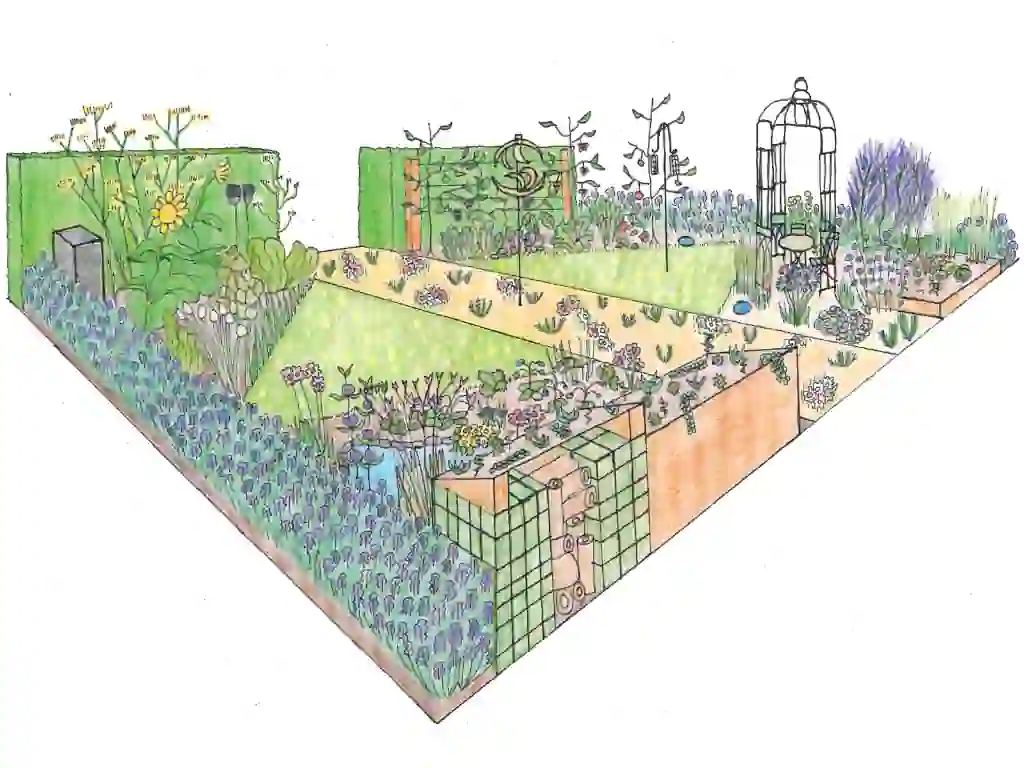
At Biodiversity Garden, we believe that every garden – no matter how small can become a sanctuary for life. In a world where ecosystems are under pressure, your backyard, balcony, community park, or urban green space can play a powerful role in protecting biodiversity and restoring ecological balance.
This is more than gardening.
This is regeneration.
What Is a Biodiversity Garden?
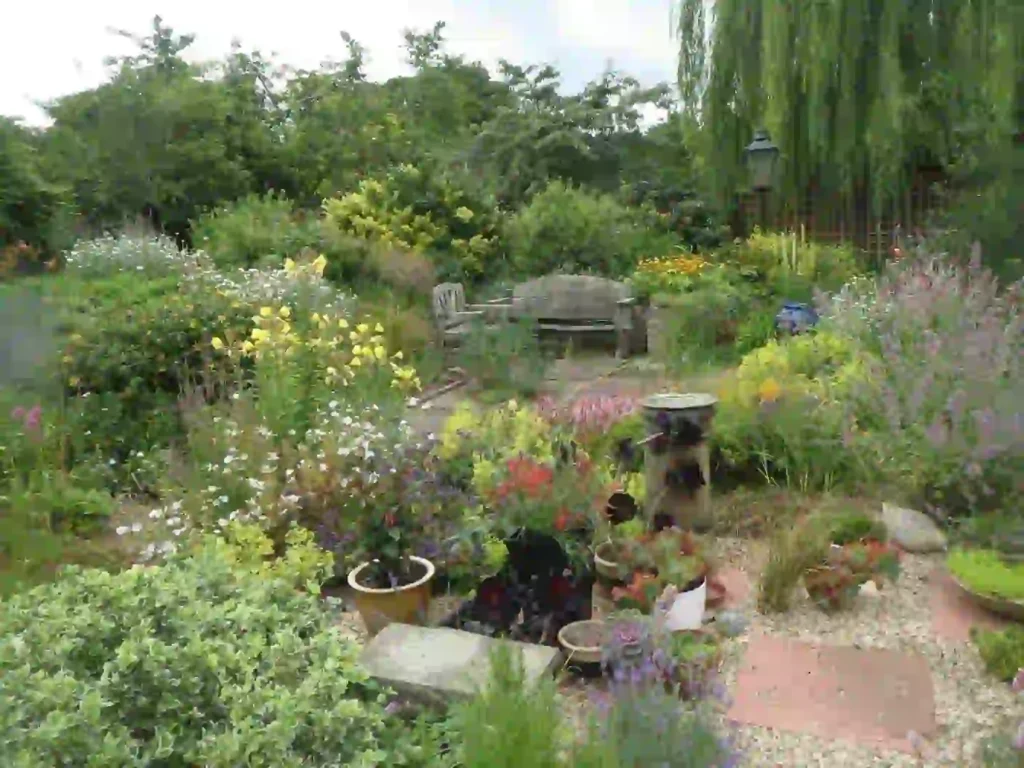
A biodiversity garden is a living ecosystem designed to support a wide variety of plants, pollinators, insects, birds, and soil organisms. Instead of focusing only on aesthetics, it prioritizes ecological harmony. Native plants thrive, pollinators find food and shelter, soil health improves naturally, and wildlife returns.
By cultivating biodiversity, we help strengthen local ecosystems, improve climate resilience, and create healthier environments for both humans and nature.
Why Biodiversity Matters
Biodiversity is the foundation of life on Earth. It ensures food security, clean air, fertile soil, and stable ecosystems. When biodiversity declines, ecosystems become fragile and vulnerable.
Creating biodiverse spaces helps:
- Support pollinators like bees, butterflies, and birds
- Improve soil fertility through natural cycles
- Increase resilience against pests and disease
- Reduce the need for chemical fertilizers and pesticides
- Enhance climate adaptation and carbon capture
- Promote mental well-being and connection with nature
Every plant species added thoughtfully contributes to a larger ecological network.
Our Mission
At Biodiversity Garden, our mission is simple:
To inspire and empower individuals, communities, and organizations to create thriving, biodiverse green spaces.
We provide practical guidance, ecological insights, and creative ideas to help you transform your garden into a dynamic habitat filled with life.
Whether you are an experienced gardener or just starting out, you can make a meaningful impact.
How to Build a Biodiversity Garden
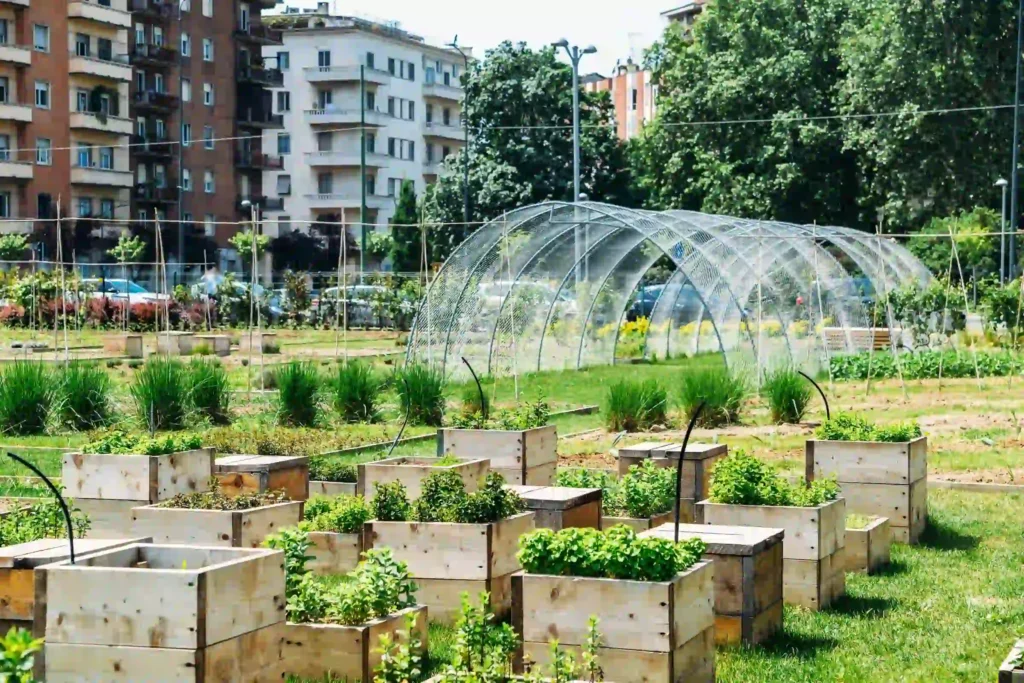
Creating a biodiverse garden doesn’t require a large space – it requires intention. Here are key principles to follow:
1. Choose Native Plants
Native plants are adapted to local climates and provide food and shelter for native wildlife. They require less maintenance and naturally support the surrounding ecosystem.
2. Plant for All Seasons
Select a mix of plants that bloom and provide resources throughout the year. Continuous flowering supports pollinators from early spring to late autumn.
3. Create Layers
A healthy ecosystem includes ground cover, shrubs, small trees, and canopy layers. This structural diversity supports different species.
4. Welcome Wildlife
Install bird feeders, insect hotels, water features, or small habitat zones like rock piles and logs. These create safe refuges for beneficial organisms.
5. Protect Soil Health
Healthy soil is alive. Composting, mulching, and avoiding chemical pesticides preserve soil biodiversity and promote natural nutrient cycles.
6. Reduce Chemicals
Encourage natural pest control by attracting predatory insects and birds rather than relying on synthetic solutions.
Urban Biodiversity: Small Spaces, Big Impact
Even a balcony garden can support pollinators. Container planting, vertical gardens, and micro-habitats help reconnect cities with nature. Urban biodiversity reduces heat island effects, improves air quality, and strengthens community resilience.
When multiple small gardens connect across neighborhoods, they form ecological corridors that allow wildlife to move safely between habitats.
Education and Community
Biodiversity is not just about plants – it’s about awareness. At Biodiversity Garden we encourage knowledge-sharing and community participation. Schools, families, and local organizations can all contribute to restoring green spaces.
Workshops, planting initiatives, and community gardens create shared responsibility and deepen our connection to the natural world.
The Future We Grow
The challenges facing our planet are significant, but solutions begin locally. By transforming gardens into ecosystems, we build resilience from the ground up.
Every seed planted with intention contributes to:
- Stronger ecosystems
- Cleaner environments
- Greater species diversity
- A healthier future for generations to come
Biodiversity is not a distant concept – it starts right where you are.